

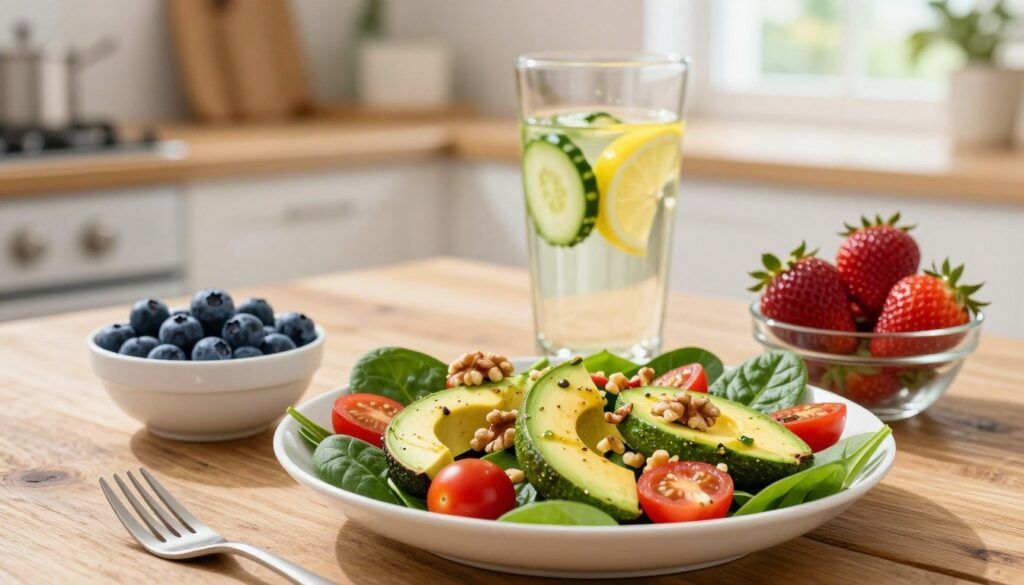
best food for heart health
We’re looking for easy ways to eat better for our hearts. The American Heart Association and Dietary Guidelines for Americans suggest whole-food diets like the Mediterranean and DASH. Science supports these diets in preventing heart disease and stroke.
We aim to make healthy eating simple. We’ll share the best foods for your heart, explain why they’re beneficial, and show how to include them in your meals. You’ll get lists of foods, serving ideas, quick recipes, and easy swaps for busy homes.
We write in a friendly, first-person plural voice. We remind you that a heart-healthy diet is beneficial but doesn’t replace a doctor’s advice. It’s important for those with heart conditions or risk factors.
Key Takeaways
- A heart-healthy diet focuses on whole foods: fruits, vegetables, whole grains, lean proteins, and healthy fats.
- Research shows fiber, omega-3s, and antioxidants can lower heart disease risk.
- We recommend dietary patterns (DASH, Mediterranean) over single “superfoods.”
- Practical swaps and serving tips make heart-healthy eating easy for busy families.
- Dietary changes are a beneficial addition, but don’t replace medical care for heart disease.
Why Heart-Healthy Eating Matters for Our Cardiovascular Wellness
Eating well is key to our heart health and how we feel daily. Focusing on heart-healthy foods can lower blood pressure and improve cholesterol. Making small, steady changes in our diet is more effective than quick fixes.
Impact of diet on heart disease risk
Studies and the American Heart Association agree: diet is a big factor in heart disease. Diets full of processed foods, added sugars, and unhealthy fats can harm our hearts. They increase hazardous cholesterol and inflammation, leading to artery blockages.
On the other hand, diets like the Mediterranean can lower heart disease risk. This evidence supports the importance of choosing heart-healthy foods to reduce long-term risks.
How small changes in meals improve long-term outcomes
Small changes can make a big difference. Reducing sodium by 1,000 mg a day can lower blood pressure. Swapping refined grains for whole grains and adding soluble fiber can also help.
Eating fatty fish or plant-based omega-3 sources twice a week is beneficial. These changes can significantly reduce the risk of heart attack and stroke over time.
Link between heart-healthy lifestyle and overall well-being
Adopting a heart-healthy lifestyle can improve weight, blood sugar, energy, and mood. The same diet patterns that are beneficial for the heart also lower dementia risk and increase life expectancy.
It’s the small, consistent changes that matter most. We suggest making one small change each week. Always talk to a doctor before making significant changes if you have health conditions or take medications.
best food for heart health
We need to know which foods are good for our hearts and why. This guide explains what makes a food heart-healthy. It also discusses important nutrients and how to choose based on our health risks.
Defining the “best”
The best foods for heart health have proven benefits. They are full of nutrients, not processed much, and have the right mix of vitamins and minerals. Science backs foods like oats, nuts, and fatty fish. They are on top lists because they really help our hearts.
Evidence-based nutrients to look for
Soluble fiber in foods like oats and legumes helps lower bad cholesterol. Eating about 25–30 g of fiber a day is beneficial for our hearts.
Our hearts benefit greatly from omega-3 fatty acids found in fish like salmon. Eating two servings of fatty fish a week is a beneficial goal.
Antioxidants in foods like berries and green tea fight stress. These foods are often on heart-healthy lists.
Potassium and magnesium in foods like bananas and nuts help control blood pressure. Eating these foods helps keep our blood pressure in check.
Plant sterols in fortified foods and nuts can also lower bad cholesterol. Adding them to our diet is beneficial.
Prioritizing by personal risk factors
If we’re worried about elevated cholesterol, focus on soluble fiber, nuts, and plant sterols. Cut down on unhealthy fats. For high blood pressure, eat more potassium-rich foods and watch our sodium intake.
Eat more fatty fish and consume less alcohol and refined carbohydrates if you have high triglycerides. Adding whole grains and legumes helps with weight and metabolism.
We should check our lab results and talk to our doctors. This guide helps us make heart-healthy choices based on our needs.
Practical serving targets and cross-references
Try to eat 25–30 g of fiber a day and two servings of fatty fish a week. Aim for 4–5 servings of vegetables daily. For more ideas, see the sections on fruits and vegetables, whole grains, healthy fats, and fatty fish.
Top fruits and vegetables that support a healthy heart
We often overlook simple produce when planning meals for heart health. Choosing the right fruits and vegetables gives us vitamins, fiber, and phytonutrients. These fit into practical heart-healthy eating patterns. Below we outline key choices, why they matter, and easy ways to add them to our plates.
Berries, citrus, and other antioxidant-rich choices
Blueberries, strawberries, and raspberries deliver flavonoids and polyphenols linked to lower heart attack risk. Oranges and grapefruit add vitamin C and potassium, supporting vascular health. Polyphenols improve endothelial function and reduce inflammation, making these foods valuable.
Leafy greens and blood pressure control
Spinach, kale, collard greens, and Swiss chard provide potassium, magnesium, folate, and dietary nitrate. Trials like DASH show that vegetable-rich diets lower blood pressure. Nitrate in beets and some greens converts to nitric oxide, widening blood vessels and improving blood flow.
Other vegetables with heart benefits
Tomatoes are a prime source of lycopene, a carotenoid tied to reduced cardiovascular risk. Cruciferous vegetables like broccoli and Brussels sprouts bring fiber and sulfur-containing phytochemicals. Allium vegetables like garlic and onions may modestly lower cholesterol and blood pressure.
Serving suggestions and simple swaps to increase intake
Add berries to oatmeal or plain Greek yogurt for breakfast. Swap chips for carrot sticks or sliced bell peppers at snack time. Blend a handful of spinach into smoothies so we barely notice the taste. Use fresh tomato salsa instead of creamy sauces on tacos and grilled fish. Grill mixed vegetables as a side to replace fried options.
Aim for roughly 4–5 servings of vegetables and 2–3 servings of fruit daily. These targets help us meet fiber and antioxidant needs while keeping heart-healthy fruits and vegetables central to meals.
Safety and pairing notes
People on warfarin should track intake of high-vitamin K leafy greens and consult their clinician before making significant changes. We should also consider interactions with supplements and prescription medications when increasing concentrated vegetable or fruit juices.
Whole grains and legumes: fiber-forward choices for cardiovascular nutrition
Choosing whole grains and legumes first can greatly benefit our heart health. They provide steady energy, help control blood sugar, and support healthy cholesterol levels. We’ll explore practical choices, portion sizes, and simple meals to make healthy eating easy.
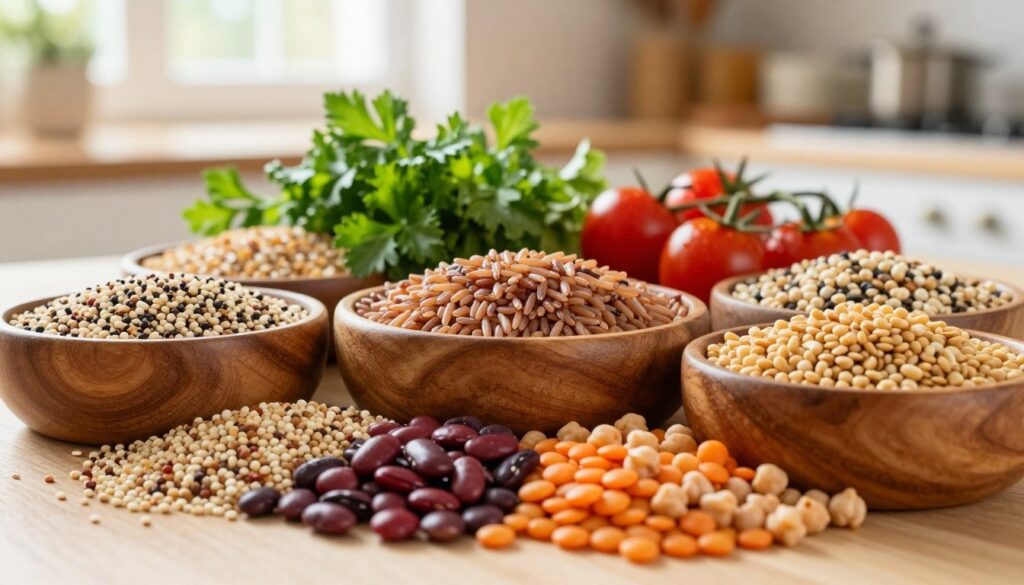
heart-healthy whole grains
Benefits of oats, barley, quinoa, and brown rice
Oats have beta-glucan, a fiber that lowers LDL cholesterol. Barley also has soluble fiber for similar benefits and helps control blood sugar. Quinoa is a whole grain with complete protein and magnesium, which helps with blood pressure.
Brown rice and whole-grain breads improve blood sugar control and help lower cholesterol. They contain resistant starch, which aids in cholesterol reduction.
How beans and lentils lower cholesterol and improve satiety
Studies show that eating legumes regularly lowers LDL cholesterol and increases fullness. This helps with weight management. Common legumes include black beans, kidney beans, chickpeas, and brown lentils.
A cup of cooked lentils or beans has 8–15 grams of protein and 10–16 grams of fiber. They are essential for heart health.
Quick meal ideas featuring whole grains and legumes
Try to eat at least three servings of legumes and three servings of whole grains each week. Aim for 25–30 grams of fiber daily. For breakfast, enjoy steel-cut oatmeal with berries and flaxseed.
Try quinoa or barley salads with veggies and a dressing of lemon and olive oil for lunch. For dinner, lentil soup or bean chili with whole-grain bread or brown rice is excellent. Swap refined pasta for whole-grain pasta to increase fiber.
Practical tips make it easier. Rinse canned beans to reduce sodium. Use quick-cook or pre-steamed whole grains when time is short. Batch-cook legumes for easy portions. These steps help keep legumes and whole grains on our menus for heart health.
Healthy fats and oils that promote heart-healthy nutrition
We focus on fats that support heart health without losing flavor. The right fats lower bad cholesterol and improve lipid profiles. This approach fits into everyday cooking and keeps meals tasty.
Choosing monounsaturated and polyunsaturated fats
Monounsaturated and polyunsaturated fats replace bad fats in our diet. Olive oil and avocado are excellent sources of monounsaturated fats. Nuts, seeds, and vegetable oils are rich in polyunsaturated fats, including omega-3 and omega-6.
Role of olive oil, nuts, and seeds in heart-healthy diets
The PREDIMED trial found that diets with extra-virgin olive oil or nuts lower heart risks. Extra-virgin olive oil has polyphenols and healthy fats. Walnuts, almonds, and pistachios add plant sterols, fiber, and magnesium.
How to limit saturated and trans fats without sacrificing flavor
We can reduce saturated fats by choosing lean proteins and healthy oils. Avoid trans fats in processed foods. Use canola or sunflower oil for high-heat cooking.
To keep meals flavorful, we use herbs, spices, citrus, and vinegar. Roasting vegetables with olive oil and smoked paprika adds depth. Relying on umami from mushrooms and tomatoes reduces the need for rich sauces.
Fatty fish and plant-based omega-3 sources for cardiovascular health
We look to dietary fats to support our hearts. Foods rich in omega-3s help lower inflammation and improve heart health. The American Heart Association suggests eating two 3.5-ounce servings of fatty fish each week.
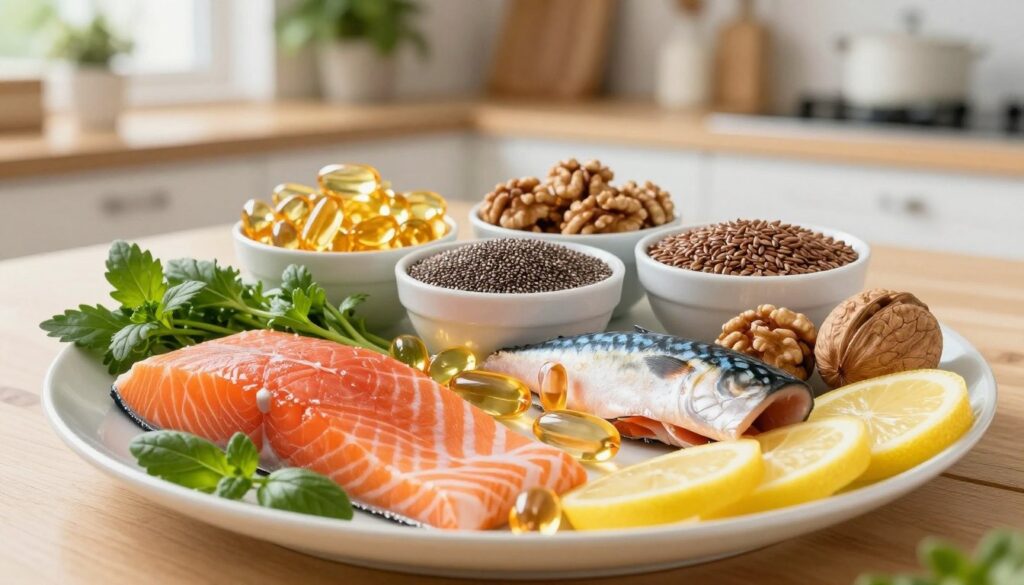
omega-3s for heart health
Why EPA and DHA matter
EPA and DHA are important omega-3s that fight inflammation and lower triglycerides. Salmon, mackerel, sardines, albacore tuna, and herring are excellent sources. They offer 500 to 1,500 mg of EPA and DHA per 3.5-ounce serving.
We should aim for two 3.5-ounce servings of fatty fish weekly. This helps avoid too many calories. For those with very high triglycerides, stronger omega-3s are available but need a doctor’s guidance.
Plant-based omega-3s
Alpha-linolenic acid (ALA) is the main omega-3 from plants. Ground flaxseed, chia seeds, and walnuts are excellent sources. They help lower heart risk, even though they convert less to EPA and DHA.
Vegans and those seeking EPA/DHA can try algae-based supplements. Always check with a doctor before starting supplements, even if taking blood thinners.
Safe seafood choices and prepping tips
Opt for wild-caught or responsibly farmed fish. Avoid high-mercury fish like shark and swordfish, which are hazardous for pregnant women and young kids. Canned salmon and sardines are affordable and packed with nutrients.
Simple cooking methods keep omega-3s intact. Try sheet-pan salmon with lemon and herbs, or grill mackerel with citrus. Baking, broiling, and grilling are best to avoid extra fats.
Practical serving guidance
Vary your choices: salmon twice a week, sardines for lunch, and albacore tuna in salads. If triglycerides are high, doctors might suggest stronger omega-3s. Eating both fatty fish and plant-based omega-3s makes your diet richer and healthier.
Lean proteins and dairy alternatives for heart-healthy eating
We focus on protein choices that help our hearts and fit everyday life. Choosing lean poultry without skin, plant proteins like tofu and tempeh, and a range of beans and lentils lowers saturated fat. This can improve cholesterol profiles. Large cohort studies link high intake of processed and red meats with increased cardiovascular risk.
Poultry, tofu, tempeh, and legumes
We pick skinless chicken or turkey, grilled or baked, instead of fatty cuts. Tofu and tempeh add texture and complete protein for plant-based meals. Beans and lentils bring fiber and soluble nutrients that help lower LDL cholesterol.
Low-fat and fortified dairy alternatives
We recommend low-fat dairy when we want traditional options, then choose plant milks like soy, almond, or oat for variety. Many dairy alternatives are fortified with calcium and vitamin D. Soy milk stands out for protein and modest LDL-lowering effects, but we always check labels for added sugars.
Combining proteins with vegetables
We build balanced plates by filling half with vegetables, one-quarter with a lean protein, and one-quarter with whole grains. Examples include grilled chicken with quinoa and roasted kale or tofu stir-fry over brown rice. These heart-healthy meal ideas keep portions sensible and flavors bright.
Practical swaps and portion control
We replace beef burgers with bean-based patties and trade cream sauces for yogurt-based dressings to cut saturated fat. Herbs and spices boost flavor without extra sodium. Aim for portions of about 3–4 ounces cooked lean protein and adjust to meet total calorie needs for heart-healthy weight management.
Heart-healthy superfoods and snacks to add to our routine
We can make our hearts healthier without losing flavor. Choosing the right treats and snacks is key. Swapping a candy bar for nuts is a small step that adds up over time. Here are some tasty options, portion tips, and family-friendly swaps for busy lives.
Dark chocolate and green tea have benefits when used in moderation. Opt for dark chocolate with 70% cacao and eat it in small amounts. Green tea’s catechins help the heart and can slightly lower blood pressure. We drink it plain or lightly sweetened to avoid added sugar.
Nuts and seeds are excellent for heart health. Eating nuts in moderation can lower the risk of heart disease. Stick to one-ounce portions of almonds, walnuts, or pistachios to keep calories in check.
Fruit and plain dairy are fiber and protein-rich without too much sugar. Apple slices with nut butter, Greek yogurt with berries, or a banana are quick, healthy options. They beat snacks high in sodium and trans fats.
Roasted chickpeas and edamame add protein and fiber to snacks. Low-sodium edamame or air-roasted chickpeas are crunchy and healthy. Preportioning helps avoid overeating and keeps weight in check.
Portable snack ideas are perfect for busy days. Try unsalted nut packs, trail mix, whole fruit, hummus with carrots, or avocado on whole-grain crackers. These snacks are easy to take on the go.
Portion and frequency guidance is important. Aim for 1 ounce of nuts, 2 tablespoons of nut butter, or one small fruit per snack. Avoid constant snacking and set snack times for better energy and fullness.
Tips for families and kids make healthy habits easier. Swap sugary snacks for fruit and yogurt, pack hummus and veggies, and let kids help with snack prep. This teaches them to make healthy choices for life.
Heart-healthy recipes and meal ideas to get started
We’re looking for tasty, healthy ways to eat well every week. Here are quick recipes, meal ideas, and easy swaps. They use foods good for your heart and keep meals delicious.
Breakfasts that support cardiovascular nutrition
Steel-cut oats with berries and flaxseed are a wonderful start. They’re full of fiber and omega-3s. A Greek yogurt parfait with walnuts and orange is packed with protein and heart-healthy fats.
Avocado toast on whole-grain bread is quick and filling. It’s got fiber and healthy fats from the avocado.
Try a grain bowl with quinoa, roasted veggies, chickpeas, and tahini-lemon dressing. It’s ready in 30–40 minutes and can be made in bulk. Baked salmon with kale and barley is quick and full of omega-3s and fiber.
Stir-fry with tofu, bell peppers, snap peas, and brown rice is fast and versatile. It’s ready in 20 minutes and perfect for leftovers.
Simple swaps to make family favorites heart-friendlier
Choose turkey or black-bean chili instead of beef for less saturated fat and more fiber. Use whole-grain pasta with tomato sauce for a healthier option. Homemade pizza on whole-wheat crust with veggies and part-skim mozzarella is a tasty swap.
Plan meals with themes and a short grocery list. Double-batch proteins and grains to save time. Try new heart-healthy meals each week to keep things intriguing.
Flavor is key. Use fresh herbs, citrus, vinegars, garlic, and mushrooms to add taste without salt. Small changes like olive oil, beans, and whole grains make meals better for your heart.
Conclusion
The best food for heart health is a mix, not just one thing. We need fruits, vegetables, whole grains, and legumes. Add healthy fats, fatty fish, lean proteins, and a bit of dark chocolate and green tea.
This mix gives us fiber, omega-3s, and antioxidants. It keeps saturated fats and added sugars low. The combination supports our heart health.
To start, try a simple three-step plan. Swap olive oil for butter and beans for meat once a week. Also, add a serving of vegetables to your plate every day. Plan two fish dinners for the week.
These small steps make heart-healthy eating straightforward and lasting. They fit perfectly into our daily lives.
Remember, safety and personalization are key. If you’re on medications like warfarin or statins or have chronic conditions, talk to your doctor or dietitian first. This ensures our heart-healthy lifestyle is safe for us.
We can all work together to improve our heart health. Make tasty, practical food choices and support each other. Add regular exercise, stop smoking, and manage stress for even better results.
Try the recipes and swaps in this article. Set achievable goals and celebrate your progress. Let’s build a healthier routine together.
FAQ
What are the best foods for heart health?
The best foods for heart health are whole, minimally processed options. They fit into diets like the Mediterranean or DASH. We focus on fruits and vegetables, whole grains, legumes, fatty fish, and healthy fats. These foods give us fiber, omega-3s, antioxidants, potassium, magnesium, and plant sterols. They help lower LDL cholesterol, reduce inflammation, and support healthy blood pressure.
How many servings of fruits, vegetables, whole grains, and fish should we aim for each week?
Aim for 4–5 servings of vegetables and 2–3 servings of fruit daily. Try to eat whole grains most days to obtain ~25–30 grams of fiber. Eat fatty fish, about two 3.5‑ounce servings per week. We also recommend eating legumes at least 3 times weekly. This boosts fiber and plant protein. These targets follow dietary guidelines and AHA recommendations for heart health.
Which nutrients are most important for cardiovascular health, and where do we obtain them?
Key nutrients include soluble fiber, omega‑3 fatty acids, and antioxidants. Soluble fiber is found in oats, barley, and beans. Omega-3s are in fatty fish and flaxseed. Antioxidants and polyphenols are in berries, green tea, and dark chocolate. Potassium and magnesium are in leafy greens, bananas, and nuts. Plant sterols are in fortified foods and nuts. Together, these nutrients lower LDL cholesterol and triglycerides. They help control blood pressure and reduce oxidative stress and inflammation.
Can small changes really improve our heart health?
Yes. Small, sustained swaps can make a big difference. Replacing butter with olive oil or switching to whole grains can lower blood pressure and LDL cholesterol. Small, realistic changes are more sustainable than drastic diets. They add up to meaningful long-term cardiovascular risk reduction.
How should we choose fats and oils for heart-healthy cooking?
Choose monounsaturated and polyunsaturated fats most often. Use extra-virgin olive oil for dressings and low- to medium-heat cooking. Canola or sunflower oil is beneficial for higher-heat uses. Include nuts and seeds regularly for MUFAs, PUFAs, fiber, and plant sterols. Limit saturated fats and avoid trans fats. Use herbs, citrus, and spices to preserve flavor while reducing saturated-fat-rich ingredients.
What are good plant-based sources of omega-3s, and do they replace fish?
Ground flaxseed, chia seeds, and walnuts provide ALA, a plant-based omega-3. ALA has heart benefits but converts only partially to EPA/DHA. For full EPA/DHA benefits, fatty fish or algae-based supplements are preferable for people with high triglycerides or cardiovascular risk. Vegans can consider algae-derived EPA/DHA after consulting a clinician.
Are certain fruits or vegetables specially beneficial for blood pressure and cholesterol?
Yes. Leafy greens and nitrate-rich vegetables support blood-pressure control. Potassium-rich fruits and vegetables help balance sodium effects. Berries and citrus improve endothelial function and reduce inflammation. Soluble-fiber-rich options like oats, apples, and legumes lower LDL cholesterol.
How can we make family favorites more heart-healthy without losing flavor?
Simple swaps work well. Use lean poultry or beans instead of processed or fatty red meats. Choose whole-grain pasta or legume-based pasta.Replace cream sauces with tomato-based or yogurt dressings. Use extra-virgin olive oil and herbs instead of butter-heavy sauces. Add umami-rich ingredients and bold seasonings to retain satisfying flavor.
What are smart, portable heart-healthy snacks for busy days?
Portable options include single-serve unsalted nut packs, plain Greek yogurt with berries, and apple slices with nut butter. Roasted chickpeas, low-sodium edamame, and whole-fruit choices like bananas are also good. Pre-portion trail mix with dried fruit and seeds, or keep canned tuna and whole-grain crackers handy. Mindful portions help prevent excess calories while keeping nutrients high.
Are there any safety concerns or drug interactions we should consider when changing our diet?
Yes. People on warfarin should monitor vitamin K intake when increasing leafy greens and coordinate with clinicians. High-potency omega-3 supplements can affect bleeding risk and should be discussed if taking anticoagulants. Those with chronic conditions or on medications (statins or blood pressure drugs) should consult their healthcare team before starting strong supplements or making major dietary changes.
Should we rely on supplements instead of food for heart health?
Whole foods are the preferred source of heart-healthy nutrients. They provide synergistic benefits—fiber, micronutrients, and phytochemicals—that supplements can’t fully replicate. Supplements (like algae-based DHA/EPA or prescription-strength omega-3s) have roles in specific situations—e.g., very high triglycerides—under clinician supervision. We recommend discussing supplements with a healthcare provider before starting them.
How can we start implementing heart-healthy changes this week?
Start with three simple, realistic steps. Pick two swaps (olive oil for butter; beans for one meat meal), add one extra serving of vegetables per day, and plan two fish-based meals for the week. Use batch cooking, theme nights, and simple recipes like sheet-pan salmon or lentil soup to stay consistent. Small, steady changes are easier to maintain and deliver the best long-term benefits.







One Comment