

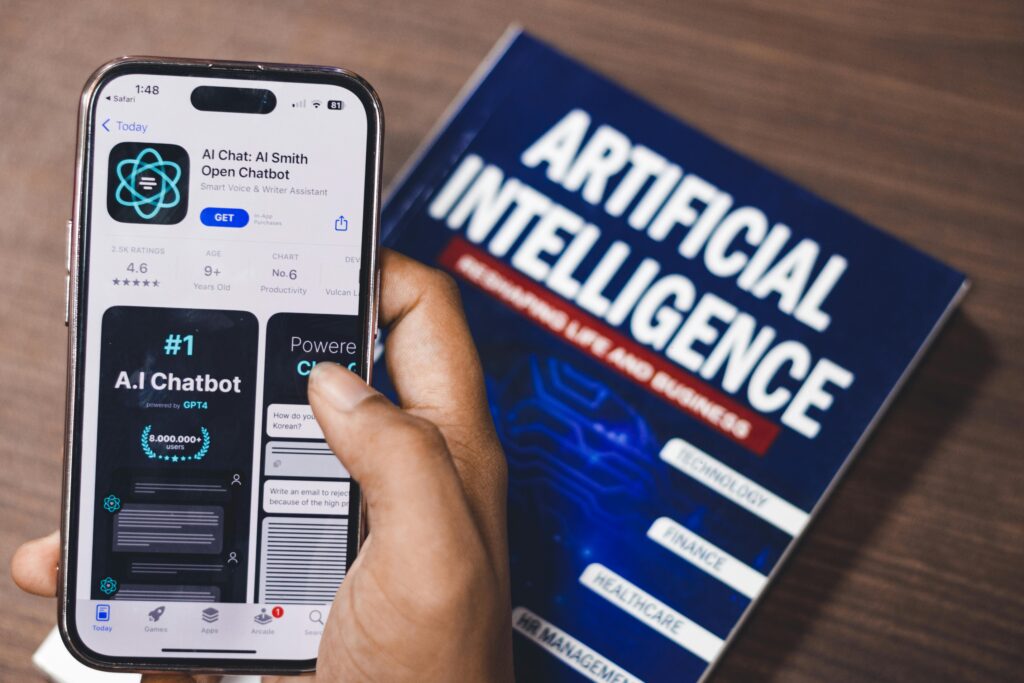
Artificial Intelligence (AI) is not just in the movies or the exclusive domain of large technology firms anymore. AI has become a part of our daily lives as it is now integrated into many aspects of our daily activities that allow us to get things done quicker, easier, and smarter. AI is affecting everything — from the way that we communicate to the way that we shop, learn, and work.
Smartphones and mobile applications are two of the most significant areas in which AI is affecting our daily lives. Voice-activated assistants such as Siri, Google Assistant or Amazon’s Alexa will enable you to manage reminders and search the internet, send a text message, or turn on/off appliances in your home by simply using your voice. In addition, social media uses AI to determine what types of content you see on your newsfeed and recommends content, including videos, posts, and advertising, to you based on your preferences.
Artificial Intelligence is changing the way we conduct business as well. Many companies utilize AI-based systems to automate tasks such as responding to customer inquiries, organizing data, creating written content, and identifying trends. All of these tools save time for employees and allow them to devote time to higher-level responsibilities that are more creative and impactful. For instance, chatbots can provide customer support 24/7, while AI applications can assist companies in better forecasting sales and managing inventory more efficiently.
Artificial Intelligence (AI), in education, has allowed many people to learn smarter and in more productive ways than they would traditionally.
Many online educational platforms utilize machine-learning algorithms to evaluate and personalize the learning paths of each user or ‘student’ based upon their level of proficiency at the subject being studied, as well as their rates of progress throughout each lesson. In the event a student has difficulty with a subject, the online education platform may provide additional practice and support resources to assist the student with overcoming this difficulty; thus, allowing the student to learn in more flexible and comprehensive ways.
AI technology is also being utilized to help the healthcare profession. For example, Physicians use AI technology to identify early-onset chronic diseases, diagnose disease states from medical images, as well as accurately predict a person’s risk of developing chronic disease.
AI technologies are changing how we shop and manage finances; E-commerce websites provide product recommendations based on the types of items you typically purchase, while financial institutions utilize AI systems to help identify fraudulent transactions and secure consumer accounts.
AI will continue to play a significant role in our lives as it develops and evolves; by understanding how and where to implement it wisely, both individuals and businesses alike can take advantage of new opportunities that have recently been created for them in the areas of education, healthcare, and communications.